Reliable Ramp Solutions to Improve Accessibility
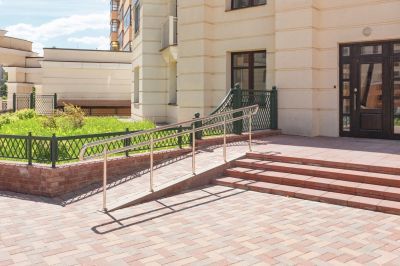
Durable ramps are designed to provide safe and accessible entry points for individuals with mobility challenges, accommodating various building types and terrain.
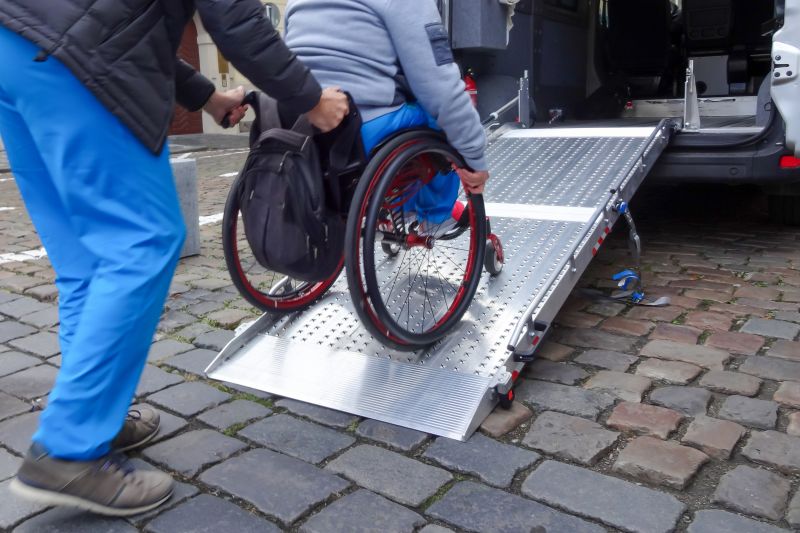
The process involves site assessment, design planning, and precise construction to ensure compliance with accessibility standards and safety regulations.
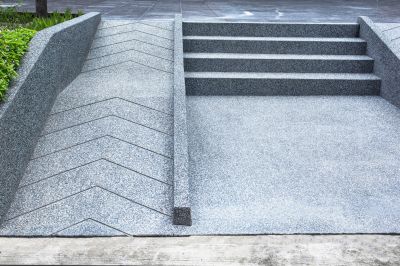
Finished installations showcase seamless integration with existing structures, enhancing accessibility while maintaining aesthetic appeal.
Disability ramp installations are critical for ensuring accessibility in residential, commercial, and public spaces. Properly designed ramps improve independence and safety for individuals with mobility impairments. The installation process involves careful planning to meet specific site requirements, including slope, width, and surface material. Statistics indicate that buildings equipped with accessible ramps can significantly increase usability and compliance with accessibility laws. Properly installed ramps also reduce the risk of falls and injuries, fostering inclusive environments.
The installation of a disability ramp typically takes between one to three days when performed by professionals, depending on the complexity and site conditions. The process includes site preparation, foundation work if needed, and precise placement of the ramp structure. Hiring experienced installers ensures that all safety standards and building codes are met, resulting in a durable and reliable accessibility feature. Professional installation minimizes errors, reduces installation time, and guarantees that the ramp will serve its purpose effectively for years to come.
Accessibility standards specify ramp slope, width, and surface requirements to ensure safety and usability for all users.
Common materials include aluminum, concrete, and wood, chosen for durability, weather resistance, and ease of maintenance.
Regular inspections and cleaning help maintain the safety and functionality of disability ramps over time.
Costs vary based on size, materials, site complexity, and customization requirements.
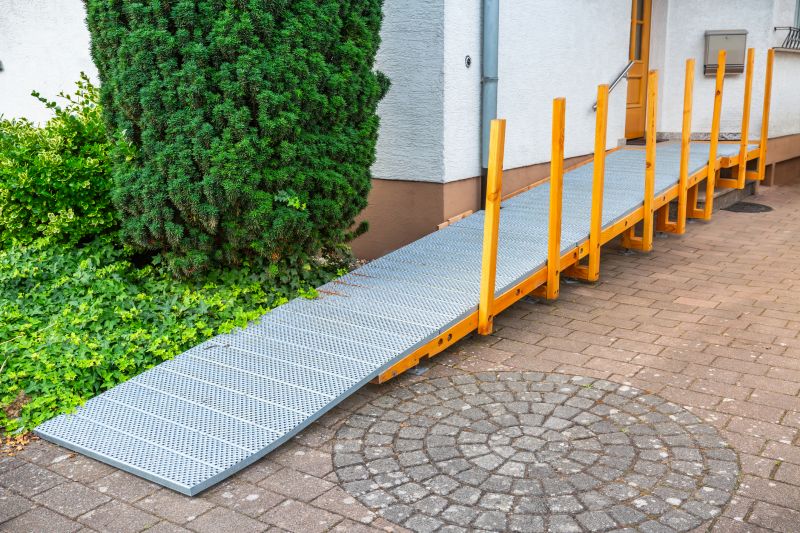
A well-installed ramp provides smooth, safe passage for wheelchair users and others with mobility aids.
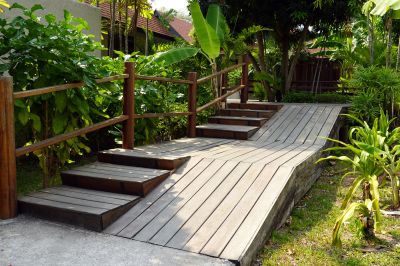
The completed project seamlessly integrates with the building exterior, ensuring accessibility and aesthetic harmony.
Proper planning and expert execution are essential for the successful installation of disability ramps. It is recommended to work with professionals who understand local building codes and accessibility standards. This ensures that the ramp not only meets legal requirements but also provides a safe environment for all users. A professionally installed ramp can enhance property value and demonstrate a commitment to inclusivity.
| Aspect | Details |
|---|---|
| Average Installation Time | 1 to 3 days |
| Common Materials | Aluminum, concrete, wood |
| Design Standards | Slope not exceeding 1:12, minimum width of 36 inches |
| Cost Range | Varies based on size and materials |
| Maintenance Frequency | Regular inspections and cleaning recommended |
| Accessibility Benefits | Improved independence, safety, and compliance |
| Site Preparation | Leveling, foundation work if necessary |
| Installation Challenges | Uneven terrain, space constraints |
For those interested in enhancing accessibility through ramp installations, obtaining a detailed quote is straightforward. Filling out the contact form provides an opportunity to discuss specific site requirements, design preferences, and budget considerations. Professional guidance ensures that the installation process is efficient and results in a safe, durable, and compliant accessibility feature tailored to individual needs.